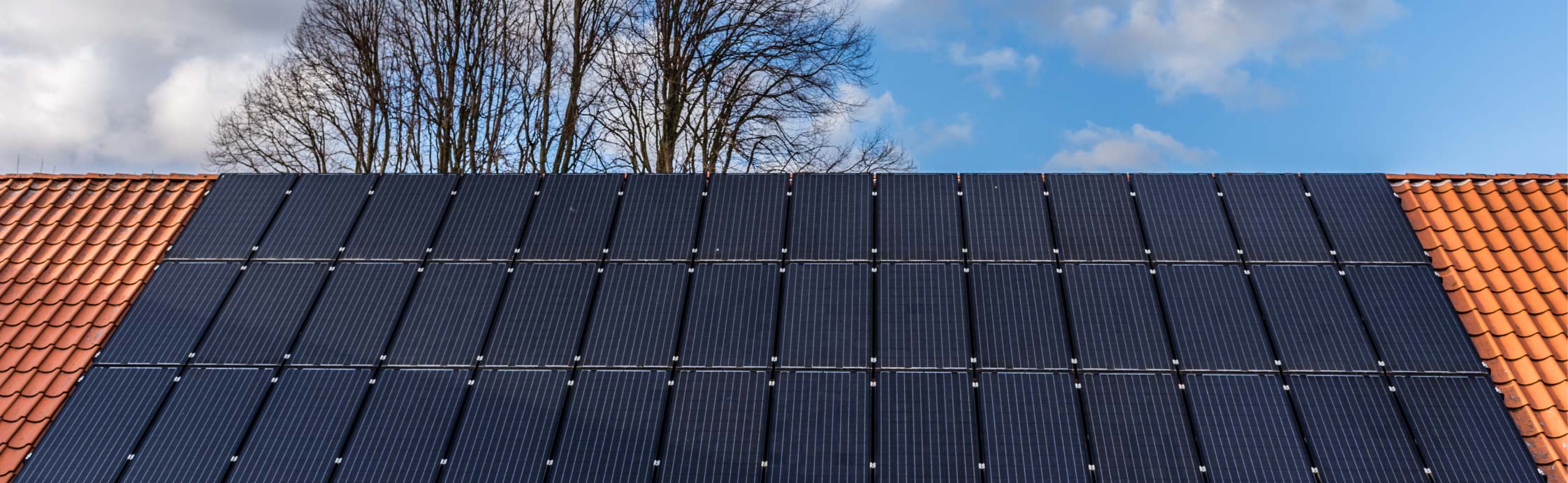
In California, homes with solar panels are no longer rare. In many neighborhoods, they’re the norm.
But when solar enters a real estate transaction, confusion often follows:
- Who owns the system?
- What happens to the loan or lease?
- Does solar increase the home’s value – or complicate the sale?
For buyers, solar can be a major advantage – or an unexpected obligation.
For sellers, it can boost value – or slow down escrow if handled incorrectly.
This guide breaks down everything both sides need to understand so solar becomes a benefit, not a barrier.
First question that matters: who owns the solar system?
Before price, before inspections, before negotiations – this is the most important question.
There are three possibilities:
1. Owned solar system
- Paid in cash or with a loan
- System belongs to the homeowner
- No third-party ownership
This is usually the cleanest scenario for both buyers and sellers.
2. Financed (loan) solar system
- Homeowner owns the system
- Monthly loan payments remain
- Loan must be paid off or transferred at sale
This is common – and manageable with proper planning.
3. Leased or PPA system
- System owned by a third party
- Homeowner pays a monthly fee
- Buyer must qualify and assume the agreement
This is where most real estate issues arise.
Buying a home with owned solar panels
From a buyer’s perspective, this is typically the best-case scenario.
What buyers should know
- Solar panels are considered part of the home
- No separate monthly solar payment
- Lower electric bills from day one
- System age and condition still matter
Buyers should request:
- installation date
- system size
- inverter type
- warranty documents
A well-documented system adds confidence – not confusion.
Does owned solar increase home value?
In most cases, yes.
Multiple studies have shown that owned solar systems:
- increase resale value
- reduce time on market
- attract energy-conscious buyers
In California especially – where electricity rates are high – buyers often expect solar, not fear it.
The key is transparency and documentation.
Buying a home with a solar loan
Solar loans sit in the middle ground – less ideal than owned, but far better than leases.
What happens to the loan?
Sellers usually have two options:
- Pay off the loan before closing
- Transfer the loan to the buyer (if allowed)
Most buyers prefer option #1.
What buyers should evaluate
- Remaining loan balance
- Interest rate
- Monthly payment
- Whether loan terms are transferable
If the loan payment is lower than the utility savings, the system may still be financially attractive.
Solar leases and PPAs: where deals get complicated
Leased systems and power purchase agreements (PPAs) are the most common source of solar-related real estate problems.
Why buyers hesitate
- Long-term contracts (often 20–25 years)
- Annual escalators that increase payments
- Limited control over equipment
- Extra approval process during escrow
Buyers must usually:
- qualify with the solar provider
- assume the existing contract
- accept all terms as written
This added complexity can delay or derail deals.

What sellers should know about leased solar
Sellers are often surprised to learn that:
- leases don’t automatically transfer
- buyers can refuse to assume them
- contracts may restrict home modifications
In some cases, sellers must:
- buy out the lease
- renegotiate terms
- offer price concessions
Ignoring this early can cost time and money.
Solar disclosures: what must be shared
In California, sellers are required to disclose:
- whether solar is owned, financed, or leased
- copies of contracts or loan agreements
- warranty and maintenance details
Solar should never be a “surprise” discovered mid-escrow.
Clear disclosure builds trust and speeds up closing.
Inspections: what buyers should look for
Solar systems don’t usually require a separate inspection – but smart buyers ask questions.
Key items to review:
- roof condition under the panels
- age of the system
- inverter lifespan
- signs of roof penetrations or leaks
If the roof is nearing end-of-life, buyers should factor future removal and reinstallation costs into negotiations.
What happens to warranties when a home is sold?
Most solar warranties:
- transfer automatically to the new homeowner
- require simple ownership updates
However:
- workmanship warranties may depend on installer policies
- leased systems follow the provider’s contract
Buyers should confirm warranty transfer procedures in writing.
Selling a home with solar: how to do it right
For sellers, solar should be positioned as an asset, not a complication.
Best practices for sellers
- Gather all system documents early
- Clarify ownership status before listing
- Be ready to explain monthly savings
- Coordinate with your agent on pricing strategy
Homes with clear, owned solar often stand out in listings.
Pricing a home with solar panels
Solar doesn’t add value dollar-for-dollar – but it does add market appeal.
Factors that influence value:
- ownership status
- system age
- remaining warranties
- utility savings
Overpricing due to solar can scare buyers.
Underpricing wastes the investment.
Balanced positioning is key.
Negotiations: where solar becomes leverage
Solar often enters negotiations in these ways:
- loan payoff requests
- lease buyout discussions
- roof condition concerns
- appraisal adjustments
Prepared sellers move faster. Unprepared ones scramble.
Appraisals and solar systems
Appraisers may consider solar if:
- it’s owned
- documentation is provided
- local comps support value
Leased systems typically don’t add appraised value, which can affect financing and negotiations.
Common mistakes buyers and sellers make
Buyers:
- assuming solar is always “free energy”
- ignoring contract terms
- overlooking roof condition
Sellers:
- waiting until escrow to explain solar
- underestimating lease complications
- lacking documentation
Most problems aren’t caused by solar itself – just by lack of preparation.
How solar affects closing timelines
Owned systems rarely delay closing.
Leased systems may:
- add approval steps
- require third-party coordination
- extend escrow timelines
Planning early avoids last-minute stress.
Final thoughts: solar should simplify, not complicate, a sale
When handled correctly, solar panels:
- reduce ownership costs
- increase appeal
- support long-term value
For buyers, the key is understanding what you’re inheriting.
For sellers, the key is clarity and preparation.
Solar doesn’t kill deals – surprises do.
Handled right, solar becomes a selling point, not a sticking point.