One of the most common questions homeowners ask before going solar is simple:
“How long will this take?”
And the honest answer is:
The physical installation is fast. The process around it is not.
Many homeowners are surprised to learn that installing solar panels may take only one to three days, while the entire journey – from signing a contract to system activation – can take weeks or even months.
This article explains:
- every stage of the solar installation timeline
- what’s under your control vs what isn’t
- why delays happen
- and how to avoid unnecessary slowdowns
Knowing the process upfront reduces stress and sets realistic expectations.
The big picture: average solar installation timeline
For most California homeowners, the full process typically takes:
6–12 weeks from contract to power-on
That timeline depends on:
- city permitting speed
- utility company approval
- roof condition
- system complexity
Let’s break it down step by step.
Step 1: site evaluation and system design (1–2 weeks)
Everything starts with understanding your home.
During this phase:
- roof condition is evaluated
- electrical panel capacity is reviewed
- shade analysis is performed
- system size is calculated
Accurate design matters – mistakes here cause delays later.
What can slow this step down?
- incomplete homeowner information
- unclear roof plans
- unexpected electrical upgrades
Good installers prioritize precision here to avoid rework.
Step 2: engineering and permit preparation (1–2 weeks)
Once the system design is approved, technical documents are prepared.
This includes:
- electrical schematics
- structural calculations
- compliance documentation
These documents are submitted to your local building department for approval.
Step 3: city permitting and approvals (2–6 weeks)
This is often the longest and most unpredictable phase.
Permit timelines vary by:
- city or county
- time of year
- permit backlog
- system complexity
Some jurisdictions approve permits in days. Others take weeks.
Important note
Homeowners cannot speed this up – but experienced installers know how to avoid common permit rejections.
Step 4: scheduling the installation (1–2 weeks)
Once permits are approved, installation can be scheduled.
Factors that affect scheduling:
- crew availability
- weather conditions
- roof readiness
At this point, timelines become more predictable.
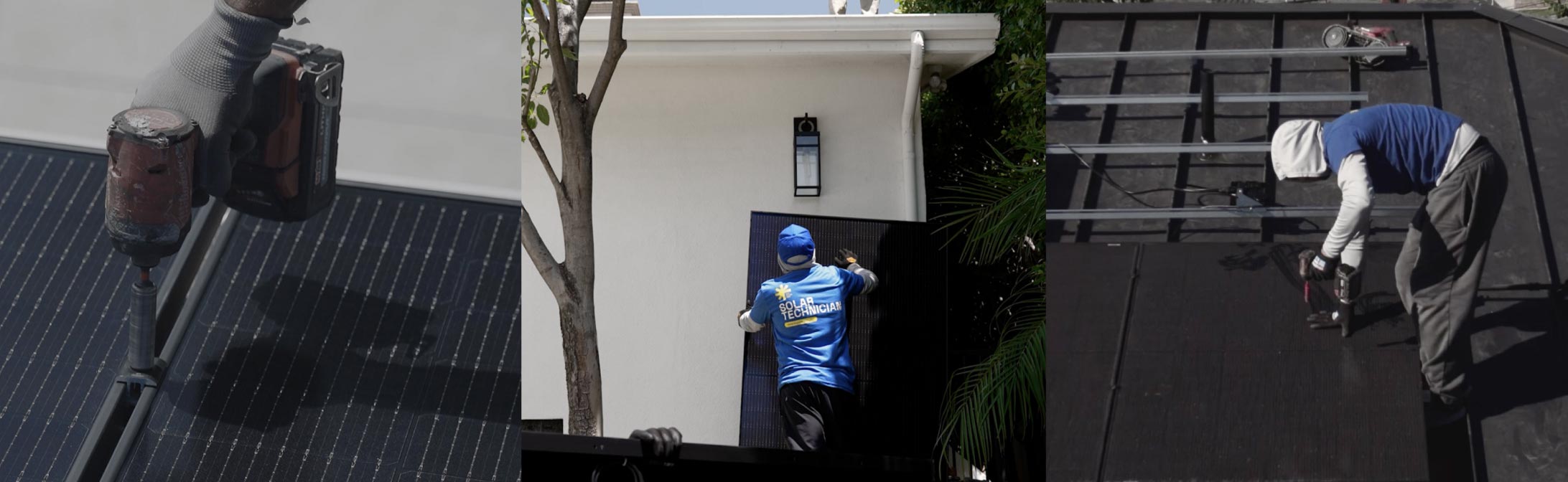
Step 5: physical solar installation (1–3 days)
This is the part homeowners expect to take the longest – but it’s usually the fastest.
A typical installation includes:
- mounting racking to the roof
- installing solar panels
- electrical wiring and inverter setup
Most residential systems are completed in one to three days.
Noise, minor disruption, and roof access are normal during this phase.
Step 6: city inspection (1–2 weeks)
After installation, the city must inspect the system to ensure:
- code compliance
- safe electrical connections
- proper mounting and flashing
If everything passes, the city signs off on the installation.
Failed inspections can cause delays – but they’re uncommon with experienced installers.
Step 7: utility approval and permission to operate (2–6 weeks)
This final step is often the most frustrating.
Your utility company must:
- review inspection approval
- install or reprogram your meter
- issue Permission to Operate (PTO)
Only after PTO can your system legally send power to the grid.
Until then, your panels may be installed – but inactive.
Why PTO delays happen
Utility approval timelines vary widely.
Delays can occur due to:
- high application volume
- incomplete paperwork
- meter upgrade requirements
This stage is largely out of the installer’s control – but proactive documentation helps.
Total timeline recap
Here’s what the full process typically looks like:
| Phase | Estimated Time |
| Design & evaluation | 1–2 weeks |
| Engineering & permits | 1–2 weeks |
| City approval | 2–6 weeks |
| Installation | 1–3 days |
| Inspection | 1–2 weeks |
| Utility PTO | 2–6 weeks |
Total: ~6–12 weeks (sometimes longer)
What homeowners often misunderstand about timelines
“Installation should be quick, so why the wait?”
Because permits and utility approvals – not labor – control the schedule.
“If panels are installed, why can’t I turn them on?”
Operating without PTO can violate regulations and void agreements.
“Delays mean something went wrong”
Not necessarily. Many delays are administrative, not technical.
How homeowners can help avoid delays
While you can’t control everything, you can help by:
- responding quickly to requests
- providing accurate documents
- ensuring roof access is clear
- upgrading electrical panels early if needed
Small delays add up – fast communication matters.
Seasonal timing: does it affect installation speed?
Yes.
Peak solar seasons (spring and summer) often see:
- longer permit queues
- busier utility schedules
Starting earlier in the year – or earlier in the process – reduces pressure.
Rushing solar: why it often backfires
Some homeowners try to rush installation to:
- meet incentive deadlines
- beat rate changes
But rushing can cause:
- permit rejections
- design errors
- inspection failures
The fastest projects are usually the best-prepared ones, not the most rushed.
How experienced installers shorten timelines
Professional installers:
- pre-check local permit requirements
- submit clean documentation
- schedule inspections efficiently
- track utility approvals proactively
Experience doesn’t eliminate delays – but it minimizes surprises.
When timelines become longer than expected
Projects may take longer if:
- roof repairs are needed
- electrical upgrades are required
- city requirements change mid-process
- utilities request revisions
These aren’t failures – they’re part of real-world construction.
What happens after PTO?
Once Permission to Operate is issued:
- your system begins offsetting usage
- monitoring apps activate fully
- savings officially start
This is the true finish line.
Solar is fast – but the system around it isn’t
Solar installation itself is quick.
Solar approval is not.
Understanding the full timeline helps homeowners:
- set realistic expectations
- reduce anxiety
- avoid misinformation
Solar is a regulated infrastructure upgrade – not a same-day service.
And when done correctly, the wait is worth it.