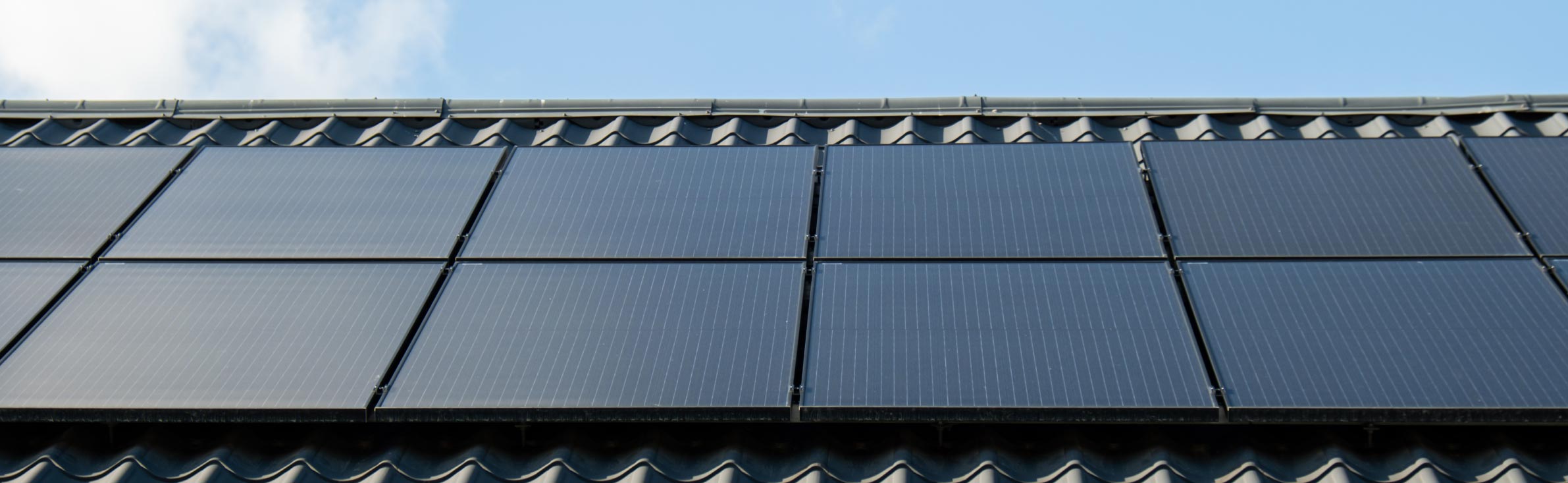
Introduction: the mistake many homeowners make
One of the most common – and expensive – mistakes homeowners make is treating solar installation and roofing as two completely separate projects.
On paper, it makes sense:
- “My roof is fine for now.”
- “I’ll deal with the roof later.”
- “Solar is urgent, roofing can wait.”
In reality, timing solar and roofing together can dramatically affect your total cost, system lifespan, and long-term savings. In states like California, where solar adoption is high and utility rates keep rising, this decision matters more than ever.
This article explains:
- why roof condition is critical for solar
- what happens if you install solar on an aging roof
- when reroofing before solar makes sense
- how coordinated planning saves money and stress
If solar is on your radar – even “someday” – this is information you need now.
Why your roof matters more than your solar panels
Solar panels are designed to last 25–30 years.
Most roofs… are not.
Here’s the mismatch:
- Asphalt shingle roofs often last 20–25 years
- Tile roofs can last longer but still require underlayment replacement
- Flat or low-slope roofs may need earlier maintenance
If your roof has less remaining life than your solar system, you’re setting yourself up for future problems.
Removing and reinstalling solar panels later is:
- expensive
- time-consuming
- rarely covered by warranties
In other words, solar doesn’t fail – planning does.
What happens if you need a new roof after solar is installed?
This is where many homeowners get caught off guard.
If your roof needs replacement after solar installation:
- Panels must be removed
- Mounting hardware detached
- Roof work completed
- Panels reinstalled
- Inspections repeated
This process – often called a solar remove and reinstall – can cost thousands of dollars, depending on system size and roof type.
And here’s the key issue:
- Many installers don’t include removal and reinstallation in their original pricing
- Some warranties may not cover it
- Scheduling can take weeks or months
All of this could have been avoided with better timing.
The ideal timeline: roofing first, solar second
If your roof has 10 years or less of life remaining, the safest strategy is simple:
Replace or repair the roof first. Then install solar.
Why this works:
- Your solar system can live its full lifespan uninterrupted
- You avoid future removal costs
- Mounting hardware is installed on a fresh, structurally sound surface
- Permits and inspections happen once, not twice
For homeowners planning to stay long-term, this approach delivers the cleanest return on investment.
Coordinating solar and roofing: where real savings happen
When solar and roofing are planned together – not separately – you unlock efficiencies most homeowners never hear about.
1. Shared labor and setup
Scaffolding, safety equipment, and site prep often overlap.
2. Optimized mounting design
Installers can align roof penetrations with new underlayment and flashing.
3. Streamlined permitting
Cities often prefer coordinated projects over piecemeal upgrades.
4. Fewer inspections
One timeline means fewer delays and fewer sign-offs.
The result?
Less disruption, lower risk, and better long-term performance.
Does solar damage your roof?
This is a common concern – and the honest answer is:
Solar itself doesn’t damage roofs. Poor installation does.
When installed correctly:
- Mounting points are flashed and sealed
- Roof warranties remain intact
- Structural integrity is preserved
Problems usually arise when:
- Solar is installed on an aging roof
- Flashing is rushed or improperly sealed
- Installers don’t account for roof material specifics
This is why choosing experienced professionals – and correct timing – is critical.
Roof types and solar: what homeowners should know
Asphalt shingle roofs
- Most common
- Usually best to replace before solar if nearing end-of-life
- Easy mounting when new
Tile roofs
- Long-lasting, but underlayment may need replacement sooner
- Tile removal adds complexity and cost
- Coordination is especially important
Flat or low-slope roofs
- Require special racking systems
- Waterproofing quality is crucial
- Best handled with solar-ready planning
Each roof type changes the equation, but timing always matters.

How this affects warranties (solar and roofing)
Warranties are another overlooked factor.
Solar warranties typically cover:
- panels (25+ years)
- inverters (10–25 years)
- workmanship (varies by installer)
Roof warranties cover:
- materials
- installation workmanship
- water intrusion protection
When solar and roofing are installed separately, warranties can overlap – or worse, conflict.
A coordinated project:
- avoids finger-pointing between contractors
- keeps warranty coverage clean and clear
- protects your home and investment long-term
Financial impact: short-term savings vs long-term cost
Some homeowners install solar first to save money upfront. On the surface, that feels logical.
But let’s compare.
Scenario A: solar first, roof later
- Lower initial cost
- Pay removal and reinstallation later
- Risk warranty issues
- Higher lifetime cost
Scenario B: roof + solar together
- Slightly higher upfront investment
- No removal costs later
- Cleaner warranties
- Better long-term ROI
Over 25–30 years, Scenario B almost always wins.
How this ties into California solar economics
With changes like NEM 3.0 and ongoing utility rate increases, California homeowners are under pressure to optimize every aspect of their solar investment.
Poor timing can:
- delay installation past incentive windows
- complicate permitting
- reduce projected savings
Smart timing ensures:
- faster approval
- smoother installation
- stronger financial performance
When it does make sense to install solar without reroofing
There are exceptions.
You may be fine installing solar without roof work if:
- your roof is relatively new
- inspections show strong structural condition
- there are no signs of leaks or deterioration
This is why a professional roof evaluation is essential before committing.
What homeowners should do before going solar
Before signing a solar contract, ask:
- How old is my roof?
- What material and underlayment does it use?
- Will solar removal be covered if roofing is needed later?
- Can solar and roofing be coordinated if needed?
These questions protect you from expensive surprises.
Why timing matters more than panel brand or size
Homeowners often obsess over:
- panel efficiency
- inverter type
- system size
All of that matters – but timing can have a bigger financial impact than any hardware choice.
A perfectly designed system installed at the wrong time can:
- cost more
- last less efficiently
- create avoidable headaches
A well-timed installation maximizes everything else.
Final thoughts: plan once, benefit for decades
Solar is a long-term investment.
So is your roof.
When these two systems are planned together, homeowners gain:
- better performance
- lower lifetime costs
- fewer disruptions
- peace of mind
If solar is on your horizon – even “not yet” – the smartest move is understanding your roof now.
Because once panels are on, timing isn’t flexible anymore.